Greyhounds and Cats: Read the Assessment, Plan the Home
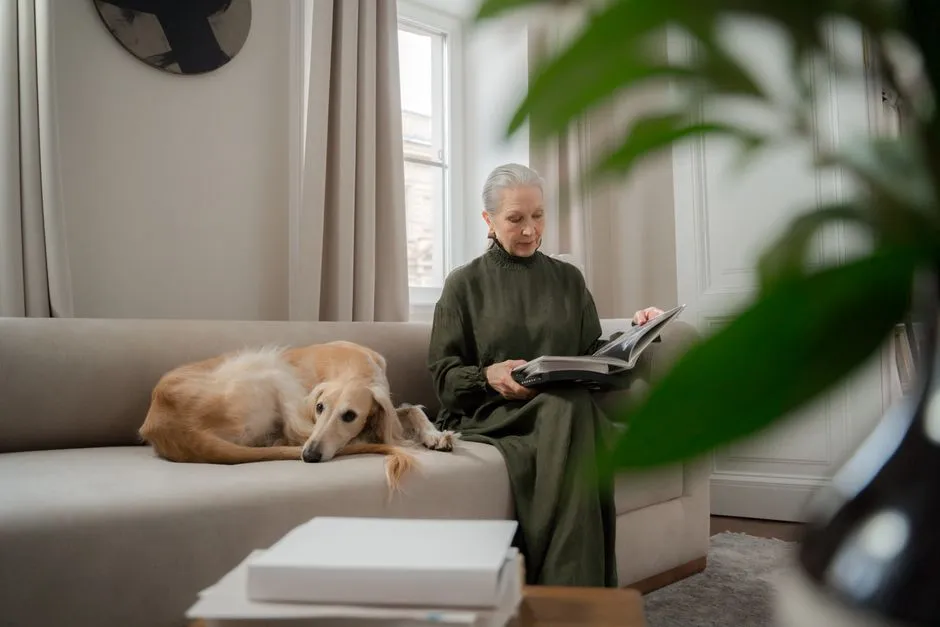
- Can greyhounds live with cats?
- What does a cat assessment actually tell you?
- Which details about your own cat belong in the conversation?
- Can the home support meaningful separation?
- What should protect the cat during planned introductions?
- What does a muzzle add, and what does it leave unresolved?
- Which observations mean the plan needs review?
- Does indoor calm apply to the garden?
- What if an animal is bitten or attacked?
- Sources
Can greyhounds live with cats?
Some greyhounds can live with cats, but others are unsuitable for that household. A favourable assessment is not a guarantee. Before arranging contact, ask the adoption organisation and a veterinary behaviourist or appropriately qualified animal behaviour professional to assess the individual pairing. Keep the animals physically separated while suitability is unresolved, and obtain veterinary care for health concerns or injuries.
The aim is a home where both animals can rest and move comfortably. This guide helps you examine the evidence and prepare an individual plan. It is not a test to conduct with your cat as the subject.
What does a cat assessment actually tell you?
Ask what the assessor observed, rather than relying on “cat-friendly” as a complete answer. The Greyhound Trust's cat guidance describes its “cat trainable” assessment as little or no interest during a kennel meeting. It expressly warns that this does not guarantee the same response to a fast-moving animal after homing.
Use this original evidence table when discussing a possible match:
| Information supplied | Useful follow-up question | Record it as |
|---|---|---|
| An assessment label | Who assessed the dog, and what did they observe? | A label plus the actual report |
| A calm encounter | Where did it happen, with which animal and management? | An observation in that setting |
| Previous shared housing | Who can describe the routine and any incidents? | A history needing context |
| No available record | What further assessment is appropriate? | Unknown, not an assumed pass |
Request the report before making the adoption decision. Our adoption-group process guide covers the wider application and handover; this conversation concerns the particular cat household.
Which details about your own cat belong in the conversation?
Prepare a household note for the professional, including every resident cat. List their ages, health or mobility concerns already known to the vet, previous experience of dogs, ordinary resting places and routes through the home. Describe what you have actually seen, without setting up a new encounter to obtain an answer.
For example, “Mira usually rests upstairs and uses the downstairs litter tray” is a fictional planning note. It identifies a route to discuss. “Mira will teach the dog manners” is a prediction, not useful evidence.
Include visiting animals and the normal arrangements when people leave the house. Ask who will review the match if the information changes. An additional carer should receive the same written plan, rather than a shortened instruction such as “just keep an eye on them.”
Can the home support meaningful separation?
Dogs Trust advises giving each animal a separate area with access to food, water, rest, enrichment and toileting without meeting the other. When you cannot supervise, its introduction guidance calls for separate rooms with doors shut.
Sketch the layout before the dog arrives. Mark the cat's food, water, litter tray and resting places, the dog's separate area, and the routes people use between them. Ask the adoption professional to review the barriers and door routine for these animals. Do not use a live-animal demonstration to test a barrier.
Our suggested planning questions are practical:
- Who checks the separation before answering the front door?
- Where will each animal be while meals are prepared?
- Can a visitor understand the arrangement without opening a restricted door?
- Who provides care if the normal handler is unavailable?
If the arrangement cannot be maintained, resolve that before proceeding with the match.
What should protect the cat during planned introductions?
Cats Protection's guidance calls for a dog-free room, a safe retreat and no forced approach. Do not hold the cat still, corner them or place them in a closed carrier to make an encounter happen. The cat needs a route away from the dog; food and litter facilities must also remain accessible without disturbance.
Have the professional set the sequence, distance and stopping conditions for this pairing. Ask them to demonstrate the agreed handling with appropriate safeguards. Do not turn a general online sequence into permission to bring the animals closer or remove equipment.
The RSPCA's greyhound-specific advice recommends professional assessment of cat introductions and recognises that permanent physical separation may be safer for some pairings. A plan may therefore end with a different match, rather than a more demanding introduction.
What does a muzzle add, and what does it leave unresolved?
Agree lead and muzzle arrangements with the professional. Previous racing experience does not establish comfort with this particular equipment.
Dogs Trust's muzzle guidance recommends positive introduction and a comfortable, secure design that permits eating, drinking and panting without obstructing vision. It also states that a muzzle does not change how the dog feels about a trigger. Equipment does not authorise a distressing encounter. Ask for qualified help if face handling is difficult.
Have the actual equipment fitted and demonstrated for your greyhound. The collar-and-harness guide covers escape prevention; neither a lead nor a muzzle replaces the agreed separation and supervision plan.
Which observations mean the plan needs review?
Dogs Trust advises separation when a dog stares at, follows or tries to chase the cat, and ending a meeting if either animal shows stress, worry or frustration. Restore separation and contact the professional instead of repeating the encounter to see whether the response disappears.
Watch the cat's ordinary day as well. Cats Protection lists hiding or seeking height and flattened ears among possible stress signs. Behaviour changes or health concerns merit a veterinary appointment; weight loss or toileting problems need prompt attention. Do not diagnose every change as a reaction to the dog.
Use an observation log with setting, management, behaviour and next action. A fictional entry could read: “Hallway visible through barrier; dog followed the cat's movement; session ended; professional asked to review.” This records an event, not a diagnosis or a training achievement.
Does indoor calm apply to the garden?
The Greyhound Trust warns that ignoring a cat inside does not necessarily transfer outdoors. Keep garden access and encounters with unfamiliar cats in the individual management plan; an indoor observation does not settle those decisions.
Record the settings separately: living room, doorway, garden and walks. There is no need to stage encounters in each place. Mark an unassessed situation as unassessed and ask how it should be managed.
What if an animal is bitten or attacked?
Contact a veterinarian promptly. PDSA advises veterinary assessment after a bite or attack, because damage can be hidden beneath the skin and bite wounds commonly become infected. Heavy bleeding or serious injury requires immediate veterinary care. Follow the clinic's instructions; do not delay care to finish a behaviour log.
Afterward, have the professionals reassess the living arrangement before any further contact. The goal is continuing welfare for both animals, not completing an introduction at any cost.