Adopting a Retired Racing Greyhound
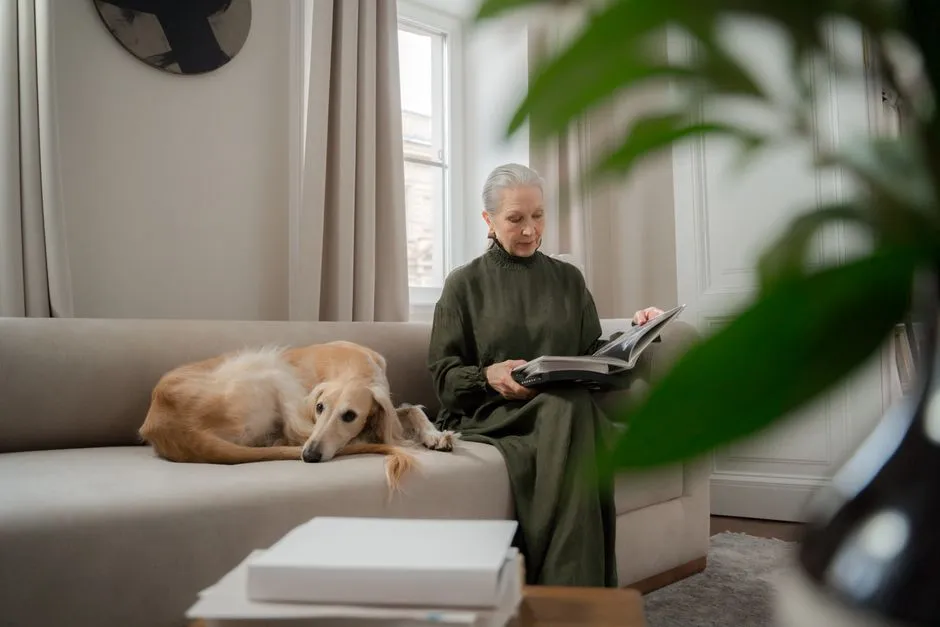
- A retired racer knows routine; home life may be the new skill
- What might a retired racing greyhound already know?
- What may be completely new?
- Is a greyhound the right fit for your household?
- What should you ask the adoption group before saying yes?
- How should you prepare the home before collection?
- What does a fair transition look like?
- Decide on the dog in front of you
A retired racer knows routine; home life may be the new skill
Adopting a retired racing greyhound means matching with an individual dog, not buying a finished package labelled “calm.” Many former racers already understand regular handling, transport, a feeding schedule, walking on lead, and resting around other greyhounds. The unfamiliar lessons may be stairs, slippery floors, glass doors, household appliances, small dogs, being alone, or choosing what to do when nobody has set a routine.
That combination is the heart of the decision. You are not teaching a dog how to be a dog. You are giving a capable adult time to translate skills learned in one environment into a very different one. Some make that translation almost casually. Others need careful management, quieter days, or professional behavioural support.
The right question is therefore not “Are retired racers easy pets?” It is “Does this particular greyhound’s history, temperament, health, and current assessment fit the home I can honestly provide?”
What might a retired racing greyhound already know?
A racing history is structured, but it is not identical from dog to dog. Trainers, kennels, foster homes, adoption programmes, and countries use different routines. Ask what this dog has experienced rather than treating the occupational title as a complete biography.
A former racer may already be comfortable with:
- being handled by adults and examined physically;
- wearing a muzzle and walking on a lead;
- travelling, although perhaps in a kennel vehicle rather than a family car;
- eating and toileting on a regular timetable;
- resting in an individual kennel near other dogs;
- loud sounds associated with a working environment;
- waiting for gates, doors, meals, or turn-out times.
These can be useful foundations. Predictable routines often make sense to a dog whose previous days had a clear order. That does not guarantee house-training, relaxed car travel, comfort with children, or safe behaviour around other animals. It does mean the adopter has real experience to build on.
Request written handover information about feeding, sleep, toileting, injuries, medication, dental work, parasite treatment, vaccination, behaviour around dogs of different sizes, and any time spent inside a home. Greyhound Racing Victoria’s current retirement guidance says a handover should tell the adopter when a full wind-down has not been completed, and it recommends sharing a post-adoption care guide. The useful principle travels well beyond Victoria: information makes matching safer than optimism does. (Greyhound Racing Victoria)
What may be completely new?
The domestic world contains small absurdities that humans stopped noticing years ago: a polished floor that offers no grip, a transparent door, a staircase with open risers, a television dog that vanishes when approached, and a washing machine entering its spin cycle without warning.
Greyhound Trust says retired racers coming through its National Greyhound Centre are unlikely to have experienced a house, carpet, a doorbell, mail through a letter box, a vacuum cleaner, or a washing machine. Its centre uses furnished “real life” rooms to introduce those experiences. (Greyhound Trust National Greyhound Centre)
Greyhound Racing Victoria likewise includes carpet, concrete, tiles, wood, bricks, stairs, household sounds, toys, secured car travel, and contact with different kinds of dogs in its list of pet-life preparation experiences. (Greyhound Racing Victoria)
That does not mean every retired racer fears every household object. A dog may have lived in a foster home and mastered most of them. Another may stop at the first stair because lifting four long legs onto an unfamiliar surface requires more confidence than the human at the top appreciates. Ask the adoption group which surfaces, sounds, rooms, animals, and separations it has actually observed.
Is a greyhound the right fit for your household?
Begin with the life you have on an ordinary wet Tuesday, not the life you imagine during the adoption appointment.
Secure movement
Can everyone in the household follow a door routine? Can you maintain gates and fencing, fit the equipment recommended for the individual dog, and keep the lead secure outdoors? A startled sighthound can put distance between itself and a doorway quickly. Our guide to greyhound collar and harness safety covers fitting and escape prevention in detail.
Quiet rest
Can the dog have a bed away from traffic, children, and other animals? Some greyhounds startle defensively when touched awake. The safe household rule is simple: nobody approaches or touches a sleeping dog. Wake from a distance with a calm voice only when necessary. Read the full greyhound sleep-startle guide before arrival.
Time alone
Can you avoid an immediate full workday alone while you learn how the dog copes? Greyhound Racing Victoria notes that most racing greyhounds have lived in the company of other greyhounds, while pet dogs may spend time without humans or animals. Its transition programme introduces isolation gradually and stops the exercise if the dog is distressed or at risk of injury. (Greyhound Racing Victoria)
Do not assume a second dog, a crate, or a food toy will solve distress. Arrange a realistic first-week schedule and ask what the fosterer has seen on camera, not merely whether the dog was “quiet.” A silent dog may be resting, frozen, or attempting to leave outside the camera frame.
Children and other animals
Can adults actively supervise, use barriers, and accept that some matches are unsuitable? RSPCA Australia advises learning canine body language and supervising interactions with children and other animals at all times. It also emphasises that greyhounds are individuals: some adjust easily while others need more time and patience. (RSPCA Knowledgebase)
Greyhounds are sighthounds, and movement can trigger pursuit. Some live successfully with cats or small dogs; some should not. A cat assessment is evidence from a controlled situation, not a lifelong guarantee. Tell the adoption organisation about every resident and regularly visiting animal, and let its matching decision outweigh the appealing photograph.
Health care and budget
Can you fund routine care, dental care, parasite prevention, insurance or an emergency reserve, and assessment of old injuries or new lameness? Obtain the medical record and book a veterinary review on the schedule the adoption organisation and clinic recommend. Our greyhound veterinary-care guide explains the breed-specific questions worth bringing to that appointment.
Do not infer health from a glossy coat or an enthusiastic walk. Ask about teeth, feet, previous injuries, current medication, stool history, vaccination, and the most recent parasite products by name and date. Treatment choices belong to a veterinarian who has examined the dog.
What should you ask the adoption group before saying yes?
A good matching conversation should become more specific as it proceeds. Useful questions include:
- Where has the dog lived since leaving racing: kennel, foster home, another adoption, or a mixture?
- Which household surfaces, stairs, appliances, traffic sounds, and car journeys has the dog experienced?
- What happens when the dog is left alone, for how long was that observed, and was a camera used?
- How does the dog respond to unfamiliar adults, children, large dogs, small dogs, cats, and fast movement?
- Has the dog ever frozen, growled, lunged, chased, guarded food, panicked in confinement, or attempted to escape?
- What walking equipment and muzzle plan does the group require, and can staff demonstrate the fit?
- What does the dog eat, in what quantity, and at which times?
- What are the known injuries, dental findings, medications, parasite treatments, and upcoming veterinary needs?
- What support is available if the match struggles, and what does the adoption contract require?
Answers such as “fine with everything” or “never a problem” need follow-up. Ask what was observed, in which setting, and how recently. A foster report describing twenty calm minutes alone on three occasions is more useful than an adjective.
Processes differ between organisations. Greyhound Trust’s published process, for example, begins with a local branch, then a visit and a home visit; it also notes that individual branches may vary. (Greyhound Trust homing process) The important feature is not that every group uses those exact steps. It is that a responsible process learns about the home, knows the dog, and treats matching as more than selecting a coat colour.
How should you prepare the home before collection?
Preparation should remove preventable surprises without turning the house into a laboratory.
- Check every exterior gate, fence gap, latch, balcony, and door-closing routine.
- Create a low-traffic bed area with water nearby and a barrier from children or other pets.
- Put nonslip runners on the routes between bed, door, water, and toilet area.
- Mark large clear glass panels at the dog’s eye level.
- Block steep or open stairs until you can introduce them slowly on lead.
- Store medication, chemicals, food waste, and unsafe foods securely.
- Confirm who holds the lead during the handover and how the dog will be secured in the vehicle.
- Buy the familiar food first; discuss any change with the adoption group and veterinarian.
- Arrange quiet first days and backup care before a work or travel commitment arrives.
The home does not need to be silent. It needs to be legible. One bed, one toilet route, one feeding place, and a small number of calm people give the dog a pattern to recognise.
What does a fair transition look like?
Expect information, not a performance. On the first days, appetite, sleep, toileting, curiosity, and recovery after a small surprise tell you more than obedience commands do. Keep walks short and familiar, restrict the number of rooms, and introduce one new experience at a time.
The RSPCA notes that newly adopted dogs of any breed may take several months to adjust fully. (RSPCA Knowledgebase) That is not a deadline or a promise. It is permission to judge progress by the individual dog rather than a three-day, three-week, or three-month slogan.
Our calm first-30-days plan gives the arrival sequence in detail. Before adoption, the essential commitment is simpler: you will reduce difficulty when the dog is overwhelmed, preserve secure management while confidence grows, and ask for help early rather than waiting for distress to become habit.
Seek a veterinarian promptly for pain, persistent vomiting or diarrhoea, appetite loss, wounds, lameness, marked lethargy, or other health concerns. Breathing difficulty, collapse, uncontrolled bleeding, seizures, serious trauma, or a swollen abdomen with repeated unproductive retching require emergency veterinary advice. For persistent fear, separation distress, predatory behaviour, or aggression, involve the adoption organisation and a qualified reward-based behaviour professional or veterinary behaviourist.
Decide on the dog in front of you
A retired racing greyhound may arrive with impeccable patience at mealtimes and no idea why the hallway floor has become ice. That uneven skill set is not a defect. It is a history.
Choose the dog whose observed needs fit your real household. Believe specific foster notes over breed folklore, maintain the safety systems after the honeymoon week, and leave room for preferences to appear as the dog settles. The reward is not transforming an athlete into a different animal. It is watching an adult greyhound discover that home is a place where the routine belongs to both of you.