Greyhound Sleep Startle: Safer Rest at Home
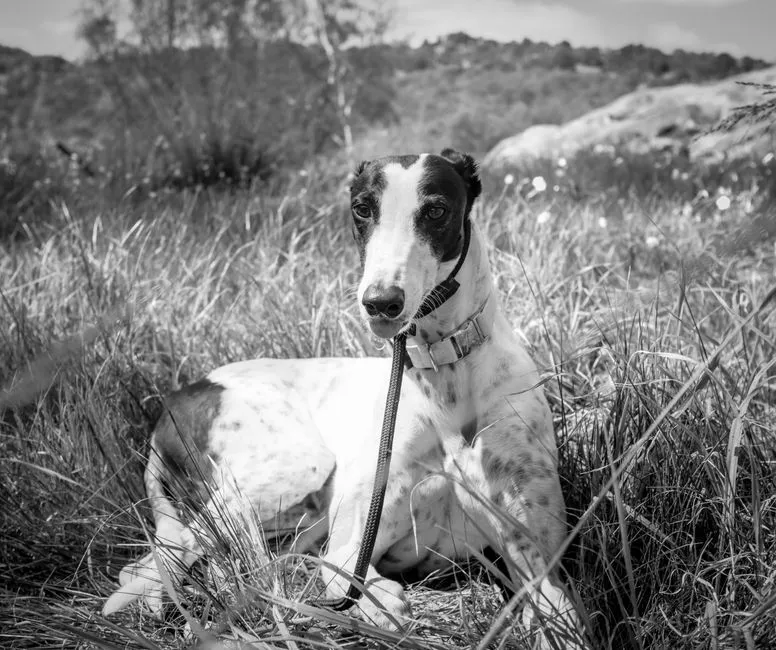
- Sleep startle is a defensive response, not a character verdict
- Put the bed where surprise is unlikely
- Establish one wake-up sequence
- Make the rest-zone rule physical for children
- Separate resting dogs and other animals
- Distinguish a startle from wider behaviour changes
- Do not punish the warning
- Use management before behaviour work
- Reconsider bed sharing and sofa access calmly
- Know when to call the veterinarian or behaviour professional
Sleep startle is a defensive response, not a character verdict
Sleep startle describes flinching, growling, snapping, or biting when a dog is touched or awakened suddenly. The immediate safety plan is environmental: put the bed away from traffic, do not touch or step over the sleeping dog, keep children and other animals out of the rest zone, and wake from a distance with a consistent voice cue. Wait until the dog is clearly oriented, then invite it to move toward you before contact.
Not every greyhound has sleep startle, and the response occurs in other breeds too. Intensity can change with stress, sleep depth, pain, hearing, age, medication, or illness. A growl is useful warning information. Punishing it does not make the dog feel safer; it may only make the next warning less visible.
The Greyhound Racing Victoria care guidance describes sleep startle as aggressive behaviour following a sudden waking and recommends protected bed placement and verbal warning before passing or approaching. Those general steps are sensible, but a bite or sudden behaviour change needs individual professional assessment.
Put the bed where surprise is unlikely
Choose a quiet corner outside the path between doors, kitchen, bathroom, and sofa. A wall behind the bed reduces approaches from the rear; two walls can create an even more sheltered corner. Leave enough open space at the front for the dog to stand and walk away without squeezing past a person or another animal.
Avoid the middle of a room, a narrow hallway, the foot of a busy staircase, or a spot where a door swings over the bed. Greyhounds are long enough to begin in a quiet corner and end with their feet in municipal traffic, so judge the occupied footprint rather than the empty cushion.
Use nonslip flooring on the approach. A startled dog scrambling on tile can panic further or injure itself. Keep water accessible without forcing a pass through the child’s play area or another dog’s bed.
Some dogs relax under a table or in an open, positively conditioned crate; others feel trapped by overhead or enclosed structures. Never shut a dog into a crate merely because it resembles a kennel. Observe the individual, keep exits available, and avoid loose blankets or equipment that can snag.
Establish one wake-up sequence
Pick a phrase the whole household can use, such as “Hello, I’m coming past.” Say it from several feet away in a normal gentle voice. Wait for the dog to lift its head, open and focus its eyes, move its ears, or otherwise orient toward you.
Then call the dog away from the bed. Reward approaching with a treat or quiet attention if the dog wants it. Touch only once the dog is visibly awake and has chosen proximity.
Do not:
- Reach toward the face to check whether the dog is awake.
- Nudge with a foot from the sofa.
- Pull the bed or blanket.
- Climb over the dog.
- Blow, clap sharply, shout, or deliberately startle as “training.”
- Ask a child to practise the wake-up routine.
A hearing-impaired dog may not respond to voice. Do not improvise by poking. Ask a veterinarian and qualified reward-based behaviour professional to build an individual cue, which may involve predictable floor vibration, light, or scent at a safe distance depending on the dog and environment.
Make the rest-zone rule physical for children
Children need a boundary they can see, not merely “leave the dog alone,” a sentence adults tend to remember only after entering the room. Use a gate, furniture arrangement, or a marked line well outside reach. The rule is simple: when the dog is on the bed, nobody enters the zone.
An adult should supervise every child-dog interaction actively. Being in the same building while preparing dinner is not active supervision. If attention moves elsewhere, use separation.
Teach children to call the dog from a distance when an adult has confirmed the dog is awake. No hugging, lying on, kissing, dressing, riding, taking toys, or testing whether the dog “really loves me.” Affection is safest when both participants are awake, mobile, and able to leave.
Visitors need the same instructions. A person who has owned dogs for thirty years can still reach toward a sleeping animal in thirty milliseconds. Put the rule on the gate if necessary. Expertise that refuses a boundary is merely confidence wearing muddy shoes.
Separate resting dogs and other animals
Give each dog its own bed with space between. Do not allow another pet to step on, corner, or crowd a sleeping greyhound. Feed separately and manage high-value chews so rest does not merge with resource conflict.
During the first 30 days after greyhound adoption, use gates and leads according to the adoption plan. A calm first greeting does not establish safe unsupervised sleep. Cats and small animals can move suddenly near a bed; maintain physical separation until the organisation and qualified professionals support a different arrangement.
If a greyhound growls when another animal approaches the bed, increase distance and prevent repetition. Do not force sharing to prove friendliness. The household has enough floor for a second cushion, and if it does not, furniture can lose the negotiation.
Distinguish a startle from wider behaviour changes
Record what happened without interpretation:
- Was the dog asleep, drowsy, or fully awake?
- What approached, from which direction, and how close?
- Was there touch, a sound, vibration, pain, food, or another animal?
- What did the dog do before, during, and after?
- How long did recovery take?
- Has medication, mobility, hearing, vision, appetite, or routine changed?
A brief defensive response immediately after unexpected waking fits the everyday use of sleep startle. Growling while fully awake around the bed may involve fear, pain, resource guarding, confinement, or another issue. Disorientation, staring, collapse, tremors, seizures, inability to recognise familiar people, or prolonged behaviour changes require veterinary advice.
Pain can lower tolerance. Dental disease, an injured nail, arthritis, a wound, or discomfort from lying down may make approaches harder. The greyhound vet-care guide describes breed-aware health conversations, but only an examination can assess this dog.
Do not punish the warning
When a dog growls, freeze briefly, look away, and create distance calmly when safe. Do not scold, grab the collar, loom, or force the dog off the bed. Secure children and other animals, then write down the context.
Growling often prevents a bite by communicating “stop.” Punishment may make people feel they have addressed disrespect, but dogs are not staging a bedroom coup. The underlying surprise, fear, or pain remains, and the warning may become faster or quieter.
If contact caused injury, seek medical care for the person and veterinary or qualified behaviour help for the dog. Follow local reporting and public-health requirements. Do not conceal the event from the adoption organisation or future professionals; accurate history protects everyone.
Use management before behaviour work
Management means arranging the home so sudden waking is unlikely. It is not failure or avoidance. It prevents rehearsal and injury while the dog settles or professionals assess the case.
Useful measures include:
- Several beds so the dog can rest near people without blocking them.
- Gates around children’s active areas.
- A consistent verbal pass-by cue.
- Normal low-level background sound if silence makes approaches abrupt.
- A night-light if the dog seems disoriented in darkness.
- A clear route from bed to water and outside.
- Removal of collars or harnesses that could snag during unattended rest, according to the safety plan.
Do not deliberately wake the dog repeatedly to “desensitise” the response. Any counterconditioning plan should preserve choice, use safe distance, and match the individual risk. After a snap or bite, obtain qualified help rather than copying a sequence from a video featuring a different dog and no children.
Credentials and regulation vary by country. Ask the veterinarian or adoption organisation for a behaviour professional who uses reward-based methods, takes a detailed history, and coordinates with the clinic where medical causes are possible.
Reconsider bed sharing and sofa access calmly
When sleep startle is known or not yet assessed, give the greyhound a separate sleeping place rather than a human bed. People kick, roll, reach, and wake in the dark. Faces are close. The risk-to-coziness ratio is poor.
Sofas create similar issues if people must sit beside or move a sleeping dog. Teach an awake “off” cue using a tossed treat and an inviting dog bed; never drag the dog by collar or legs. If the dog guards furniture while awake, restrict access with gates and seek behaviour help.
Future furniture rules can change as the dog’s behaviour becomes clearer. Consistency means the household uses the current plan together, not that a decision made on night one must survive every new piece of evidence.
Know when to call the veterinarian or behaviour professional
Arrange veterinary assessment when startle appears suddenly, escalates, happens while the dog is clearly awake, or accompanies pain, sensory change, altered sleep, confusion, mobility trouble, appetite loss, medication changes, or neurologic signs.
Get qualified behaviour support after any bite or near-bite, when children or vulnerable adults share the home, when triggers cannot be managed reliably, or when household members are frightened. Use barriers and separation while waiting.
Emergency veterinary advice is appropriate for seizures, collapse, serious trauma, severe unrelenting pain, breathing difficulty, or other urgent signs. Sleep startle itself is a description of context, not a remote diagnosis.
The humane rule is also the safe one: let sleeping dogs sleep. Give the greyhound a protected place, announce your approach, wait for orientation, and invite contact instead of taking it. A dog stretched across one bed like spilled calligraphy is not being rude. It is off duty.