Greyhound Vet Care: Bloodwork, Skin, Teeth, Anesthesia
- Greyhound-aware care adds context; it does not replace an examination
- Build a usable medical record before the first visit
- Greyhound bloodwork may need breed-aware interpretation
- Anesthesia sensitivity is real but often oversimplified
- Protect thin skin without playing home surgeon
- Put teeth on the preventive-care agenda
- Watch nails, paws, gait, and temperature
- Handle rest and procedures with the dog’s behaviour in mind
- Know the signs that should not wait
Greyhound-aware care adds context; it does not replace an examination
Greyhounds need the same foundations as other dogs—preventive care, vaccination and parasite plans suited to their location, oral health, nutrition, pain recognition, and prompt attention to illness—but several documented breed patterns can affect clinical interpretation. Laboratory values may differ from general canine ranges. Lean bodies lose heat readily under anesthesia. Older anesthetic drugs created a real history of prolonged recovery. Thin skin, dental disease, nails, wounds, and previous injuries deserve careful review.
The correct conclusion is not “greyhounds cannot be anesthetized” or “odd bloodwork is normal.” It is: tell the clinic the dog is a greyhound, provide complete records, and let the veterinarian interpret the individual patient with breed-aware evidence.
This guide helps organise that conversation. It does not select drugs, doses, tests, or treatment.
Build a usable medical record before the first visit
Ask the adoption organisation or former keeper for records that actually exist:
- Microchip number and transfer status.
- Vaccination dates and products.
- Heartworm, flea, tick, and intestinal parasite testing or prevention.
- Current and previous medication, including supplements and reactions.
- Weight history, diet, appetite, stool, and exercise routine.
- Dental examinations, cleanings, extractions, and home care.
- Injuries, lameness, fractures, wounds, surgeries, and rehabilitation.
- Laboratory reports, imaging, diagnoses, and specialist notes.
- Previous anesthesia or sedation protocols and recovery notes.
- Reproductive or neuter status and relevant history.
Label missing information as unknown. Do not turn a scar into a racing legend or a nervous clinic visit into a diagnosis. A short factual gap is more useful than a thrilling fiction the veterinarian must later dismantle.
Schedule a primary-care visit soon after adoption using the timing advised by the organisation and clinic. Bring a stool sample only if requested and prepared as directed. Take photos or video of intermittent limping, coughing, unusual breathing, or behaviour when it is safe to do so.
During the first month after adoption, keep a brief log of appetite, water, urination, stool, activity, medication, and changes. Trends help the clinic distinguish a new problem from an unfamiliar but stable habit.
Greyhound bloodwork may need breed-aware interpretation
A veterinary review of greyhound clinical pathology describes differences in multiple blood and chemistry measures compared with general canine references. Patterns reported in retired racing greyhounds include higher red-cell mass and differences involving white cells, platelets, proteins, thyroid measures, creatinine, and other analytes.
Those patterns do not provide owners with permission to wave away a flagged result. Reference intervals vary by laboratory method and population. Hydration, age, sex, fitness, medication, diet, kidney function, endocrine disease, bleeding, inflammation, and many other factors affect interpretation.
Ask three practical questions:
- Is this result outside the laboratory’s general canine interval, a validated greyhound interval, or both?
- Does it match the dog’s signs, examination, history, and earlier results?
- Should the clinic repeat, confirm, trend, or investigate it?
Bring original reports rather than copying only the red numbers from a portal. Units and analyser methods matter. A single result can be a clue; a trend with clinical context is a conversation.
Do not supplement thyroid hormone, iron, electrolytes, or anything else because a social post declares a “greyhound normal.” Treatment of a number without a diagnosis can obscure the real problem.
Anesthesia sensitivity is real but often oversimplified
A published review of sighthound anesthesia describes several relevant considerations: lean conformation and a high surface-area-to-volume ratio can increase heat loss; some bloodwork differs; stress matters; and historical thiobarbiturate anesthetics, particularly thiopental, could produce prolonged recovery because of drug-handling differences.
Modern veterinary teams have multiple protocols, monitoring tools, warming methods, and pain-control options. The right plan depends on the dog’s age and health, the procedure, laboratory and examination findings, previous reactions, available staffing and equipment, and the clinician’s judgement.
Before a planned procedure:
- Make sure the practice records the breed accurately.
- Provide prior anesthetic and recovery notes if available.
- List every prescription, nonprescription drug, supplement, and recent dose.
- Follow the clinic’s fasting and medication instructions exactly; do not invent your own.
- Ask how temperature, oxygenation, blood pressure, ventilation, pain, and recovery will be monitored as relevant.
- Tell the team about anxiety, handling needs, wounds, or difficulty lying down.
- Ask whom to call and what signs require help after discharge.
Do not demand or forbid a drug based solely on an old internet list. Veterinary pharmacology changes, and protocol decisions involve combinations, doses, routes, timing, and the entire patient. The useful owner contribution is accurate history and questions, not becoming an anesthesiologist during the consent form.
At home after a procedure, follow written instructions for warmth, feeding, activity, wound care, medication, and supervision. Contact the clinic for worsening sedation, repeated vomiting, breathing changes, uncontrolled pain, bleeding, collapse, or anything the discharge sheet identifies as urgent.
Protect thin skin without playing home surgeon
Greyhounds have relatively thin skin and little padding over many areas. Tears can happen on sharp branches, wire, rough play, poorly fitted equipment, or ordinary household edges. A small opening can overlie a larger pocket under the skin.
For active bleeding, place clean gauze or cloth over the area and hold steady gentle pressure. Do not repeatedly lift it to check; add layers if blood soaks through and contact a veterinarian. Heavy bleeding, pale gums, weakness, collapse, a gaping wound, puncture, bite, embedded object, severe contamination, or injury near the chest, abdomen, eye, joint, paw, or genitals needs prompt care.
Do not pour peroxide, alcohol, essential oils, powders, human ointments, or skin glue into a wound unless the veterinarian specifically directs it. Do not probe depth or remove a deeply embedded object. Prevent licking safely while arranging care.
Check skin under collars and harnesses for redness, hair loss, moisture, and rubbing. Hardware over a bony point can create damage quickly. Photograph a wound with a ruler nearby for scale only if doing so does not delay treatment or require painful handling.
Put teeth on the preventive-care agenda
Peer-reviewed UK primary-care research has identified periodontal disease as an important greyhound health issue, and a separate controlled study in racing greyhounds found that regular tooth brushing reduced gingivitis and calculus. That supports prevention; it does not mean brushing reverses established disease beneath the gumline.
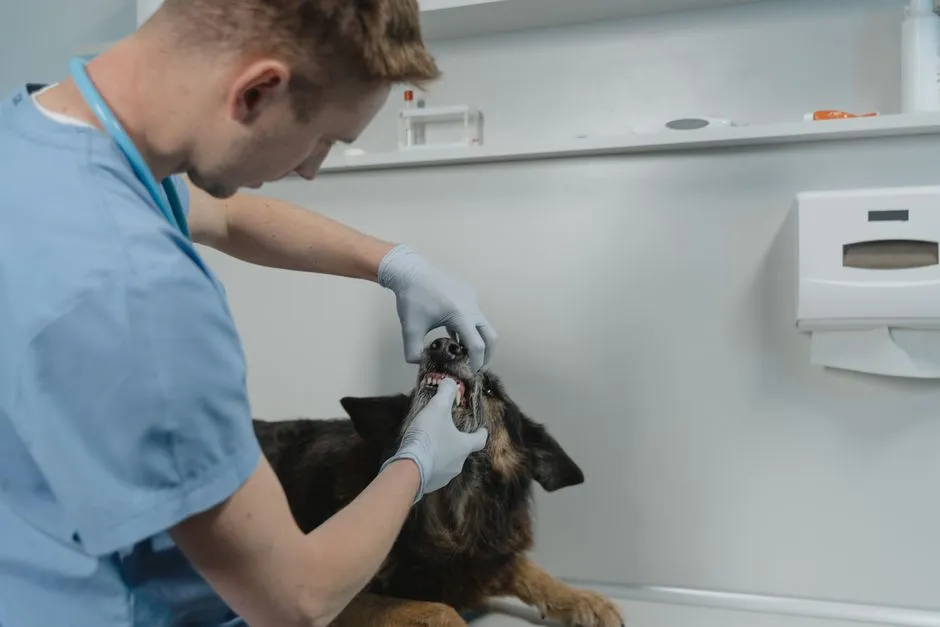
Ask the veterinarian to examine the mouth at routine visits. Seek advice sooner for persistent bad breath, red or bleeding gums, heavy tartar, broken or loose teeth, facial swelling, drooling, dropping food, chewing on one side, appetite change, or pawing at the face.
Introduce brushing only when the dog is awake and comfortable with face handling. Use dog toothpaste; human toothpaste is not intended to be swallowed by dogs. Start by rewarding brief lip lifts, then contact one or two outer tooth surfaces with a soft brush or veterinary-recommended tool. Stop if the dog shows pain or fear and ask the clinic for a plan.
An anesthesia-free cosmetic scaling cannot examine and treat disease under the gumline in the same way as a complete veterinary dental procedure. Discuss risks, benefits, imaging, extractions, pain control, and anesthesia with the veterinarian for this individual dog.
Avoid choosing bones, antlers, or very hard chews as dentistry by anecdote. They can fracture teeth and create choking or gastrointestinal risks. Ask the clinic about products appropriate to the dog’s teeth, chewing style, diet, and medical history.
Watch nails, paws, gait, and temperature
Long nails alter contact with the ground and can split or snag. Examine nails, pads, and spaces between toes regularly. Have a veterinarian or experienced groomer demonstrate trimming if the quick is difficult to see. Sudden toe pain, bleeding that does not stop, a torn nail, swelling, discharge, or persistent licking deserves professional advice.
Greyhounds may have old musculoskeletal injuries, but do not assume every limp is an harmless racing souvenir. Record when it began, which leg appears affected, whether it worsens after rest or exercise, and any swelling or pain. Restrict strenuous activity and contact the veterinarian; do not give human pain relievers.
Lean bodies and short coats offer limited insulation. Provide a warm dry bed, adapt walks to weather, and use a well-fitted coat when conditions and the dog call for it. In heat, reduce exertion, seek shade and water, and watch for excessive panting, weakness, confusion, vomiting, collapse, or very hot skin. Suspected heat illness is an emergency; contact a veterinarian while beginning only the cooling steps the clinic advises.
Handle rest and procedures with the dog’s behaviour in mind
Pain, hearing or vision changes, cognitive decline, and medication can alter responses around sleep. A new or worsening startle response deserves veterinary assessment. Meanwhile, use the protected-bed and verbal-waking plan in our greyhound sleep-startle guide.
Tell the clinic about fear before the appointment. The team may suggest scheduling, waiting-area, entry, handling, or previsit strategies appropriate to the patient. Do not give leftover sedatives or another animal’s medication.
Bring a correctly fitted muzzle if the dog is comfortable wearing one and the organisation or clinic advises it. A muzzle can support safe care but does not erase fear or pain. Condition it positively before a nonurgent visit and never use it to force a distressed dog through avoidable handling.
Know the signs that should not wait
Call an emergency veterinarian for breathing difficulty, collapse, pale or blue gums, uncontrolled bleeding, major trauma, repeated seizures, inability to urinate, severe unrelenting pain, or a swollen abdomen with repeated unproductive retching. Sudden profound weakness, suspected heat illness, rapidly expanding wounds, or toxic ingestion also warrant urgent advice.
Call ahead when possible. Follow instructions for transport, particularly after trauma or when the dog cannot stand. Keep clinic and poison-control contacts appropriate to your country available before you need them.
For less dramatic but persistent changes—appetite loss, increased drinking, coughing, vomiting, diarrhoea, weight change, stiffness, dental signs, skin lesions, or altered behaviour—arrange a regular appointment rather than waiting for the internet to reach consensus. It will not; the internet has not even agreed where the greyhound’s legs end.
Breed awareness works best as a question, not a conclusion. Share the history, mention documented greyhound differences, ask how they affect this patient, and let examination and evidence guide care. That approach respects both the breed and the dog, who is more specific than any breed guide can ever be.